
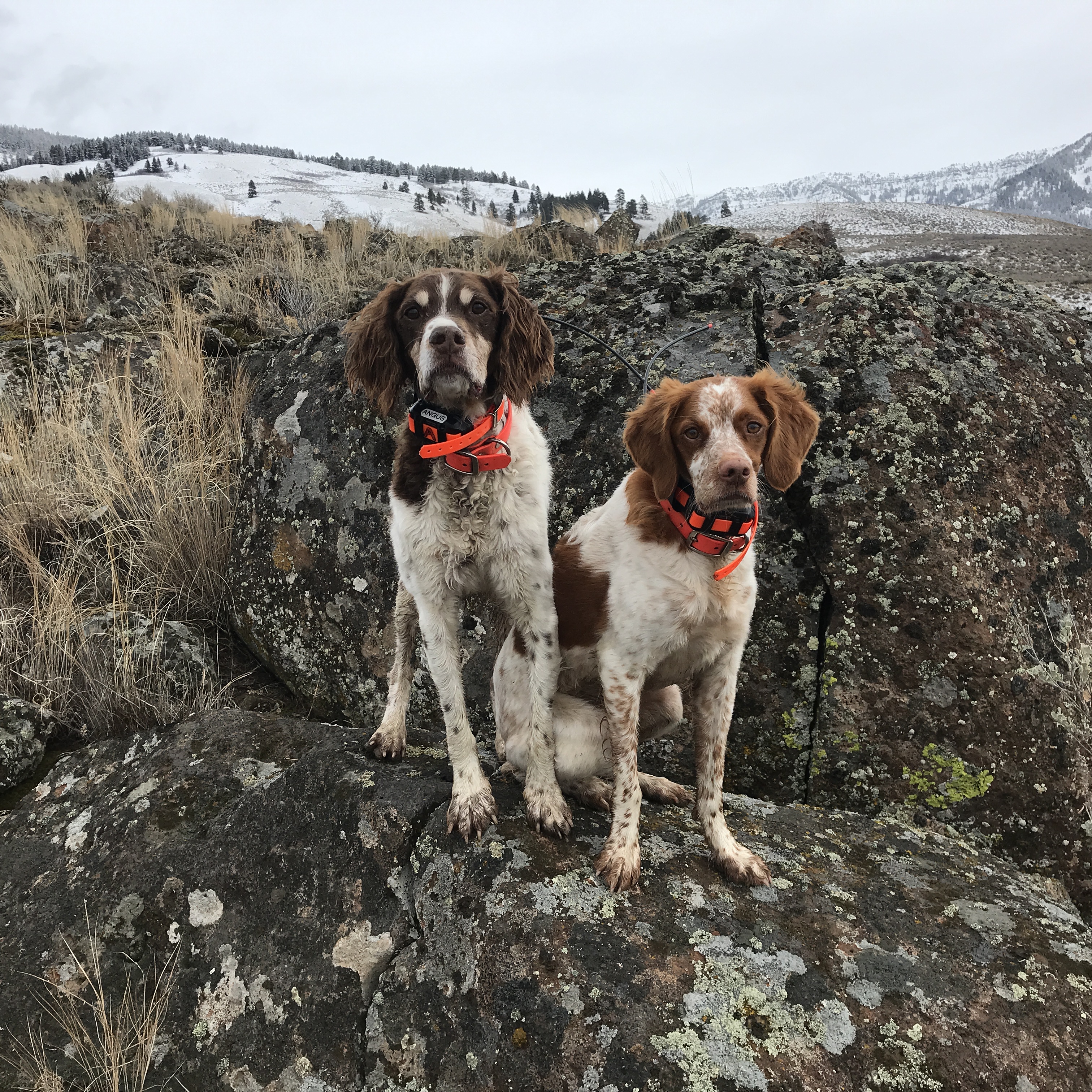
Cleaned the last birds today. The wind here is ice. It’s our millionth day in a row without sun. We hunted every single possible day we could this season, except for the penultimate weekend when we both were sick. We literally outdid ourselves. So did the dogs. Angus is a miracle. I think he’s related to Ponce de Leon.
I can’t wait for next season. There’s a lot to think about, though, and stuff to do in the meantime. It’s important, but will be very hard, to stay positive. Those who know me understand what I’m talking about.
So for now I’ll say it was my best season in many ways. Coming back after last season’s back problems, and without “training” last summer (sitting in a drift boat doesn’t do much for one’s physical fitness), our average hunts were bigger in mileage, duration, and elevation gain than in any previous season. To say that at 57, after doing this for 20 years, I think is pretty lucky. Maybe it says something about desire. Maybe it just is.
Still, I noticed some things this season that weren’t all good, which I’ve mentioned before. Medusahead continues its literally uncontrollable spread-and-destroy blanketing of the range in southwest Idaho and eastern Oregon, and other noxious players are rapidly adding themselves to the list. Bird numbers here — I don’t care what anybody says — are down. The number of chukar hunters using ATVs down here continues to climb. Chukar hunting is my favorite thing to do, but it’s becoming the thing I worry about the most. That sounds silly. But it is true. These birds are pretty resilient, but they’re no match for what’s happening to their environment. Chukar are non-native, so maybe it won’t be such a great loss. But they’re in the same boat as the sage grouse and sharp-tailed grouse in these parts, whose numbers are nearly gone (Fish & Game’s last count in 2016 of the Midvale sage grouse lek totaled 2 — two — birds*). We need to do better by the wildlife we all devote our recreational spirit and finances to.
*From Idaho Fish & Game’s last statewide upland game report, from 2017 re: Sage Grouse in Washington County: “A report documenting seasonal distribution, habitat use patterns, productivity, and survival rates in Washington County is available. Washington County is unique because it is isolated from other sage-grouse populations and habitat; the land is highly fragmented and primarily under private ownership. West Nile Virus has surfaced annually in this area and much of the habitat has been converted/developed to ranchettes. The Washington County population will likely not persist within the next 10-15 years.” [my emphasis; p. 46]
Chirp away