I’ve never hunted chukar in Nevada, but have wanted to for a long time now. A few years ago, we met some nice folks from Nevada who’d kindly agreed to meet us for dinner in Winnemucca and maybe point us in the right direction. I posted about it last November, although the events in question occurred in 2022.
The upshot is that when we got down there, after having purchased upland game licenses in Washington, Idaho, Oregon, Montana, and Wyoming that fall, I (stupidly) assumed I could waltz into Wal-Mart in Winnemucca and buy one from Nevada. Even if the manager had been able to remember his login credentials for his licensing system, he would have turned me away empty-handed.
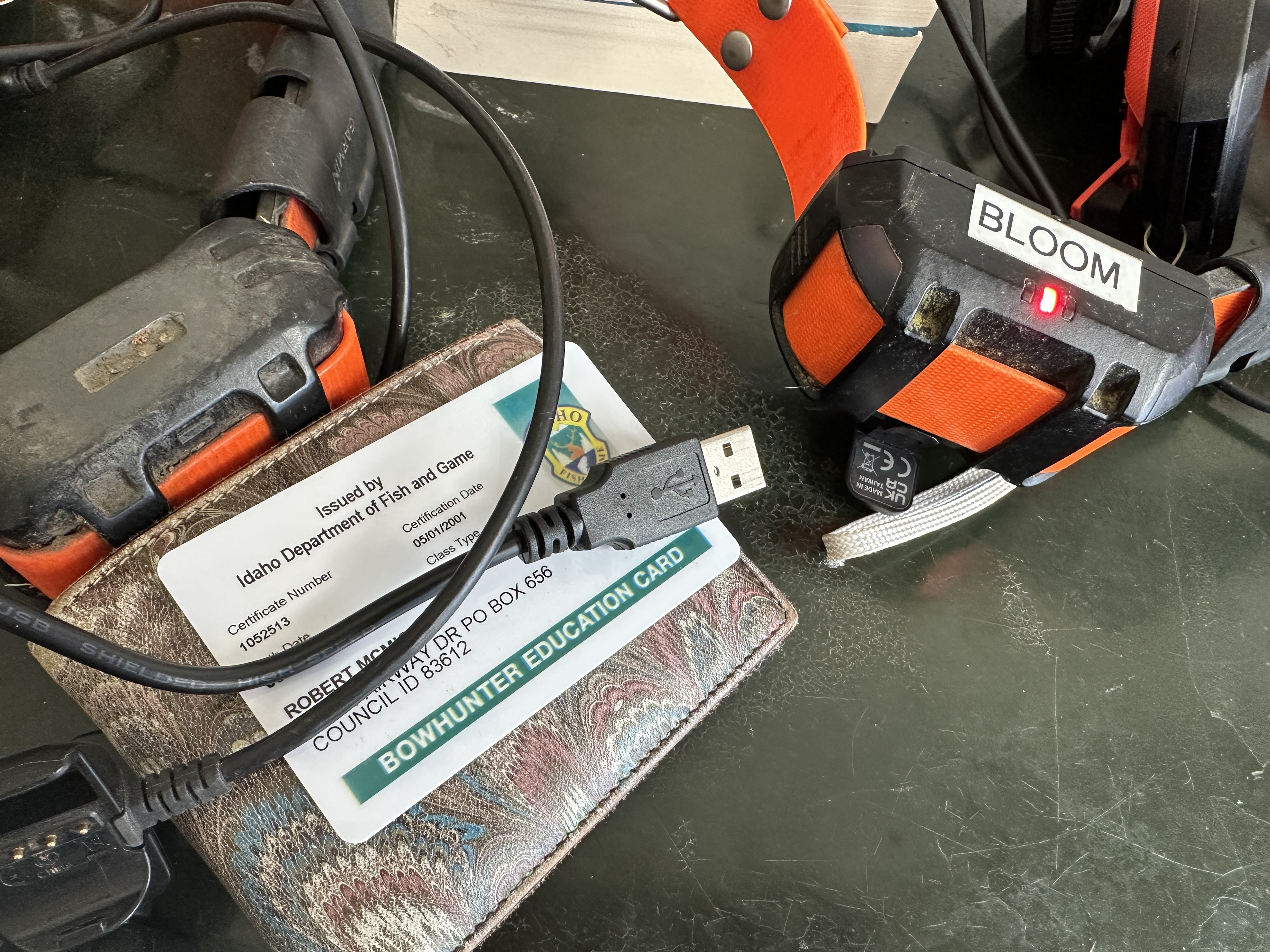
Unlike the other five states I’ve been licensed in, Nevada has a non-resident requirement for all hunters born after 1960 to provide evidence of having completed a “hunter safety course.” I’d lost my card from the hunter safety course I’d taken after moving to Idaho in 2000, but I was able to go online to ilostmycard.com and (after paying $10 or $20) — wow — get a duplicate of my certificate from Idaho Fish & Game. The course I’d taken was targeted at bow hunters, but covered all of the material for the rifle/general hunter safety courses offered in Idaho, plus extra stuff specifically relating to bow hunting.
We weren’t able to plan a trip to Nevada last year, but I was excited to plan something this season. So I logged onto my Nevada Department of Wildlife account and tried to purchase a license. A popup window told me that I needed to have my hunter’s safety course added to my record, and then I’d be able to purchase a license. The information included an email address to which I was to send my proof.
So I did that. A couple hours later, I received an email that read, “Unfortunately, we cannot accept a Bowhunter Education Certification as proof of Hunter Education. If you have taken a Hunter Safety specific course, please provide a copy of that so we can add it to your account.”
I responded, but was shot down by someone named Harmony. Apparently, Nevada will only accept (but they don’t tell you this anywhere) hunter safety courses taken from their approved vendor (hunter-ed.com). I’ve spoken to several other non-resident hunters, including some born before and some born after the magical 1960 date. They all informed me that they were easily able to purchase licenses online for Nevada without the hunter ed requirement.
So I ask you, those of you from outside NV who’ve hunted in NV, what’s been your experience getting a license to hunt there? Asking for a friend.
After all the pretty contrast of life and death Proves that these opposite things partake of one…
–Wallace Stevens, from “Connoisseur of Chaos”
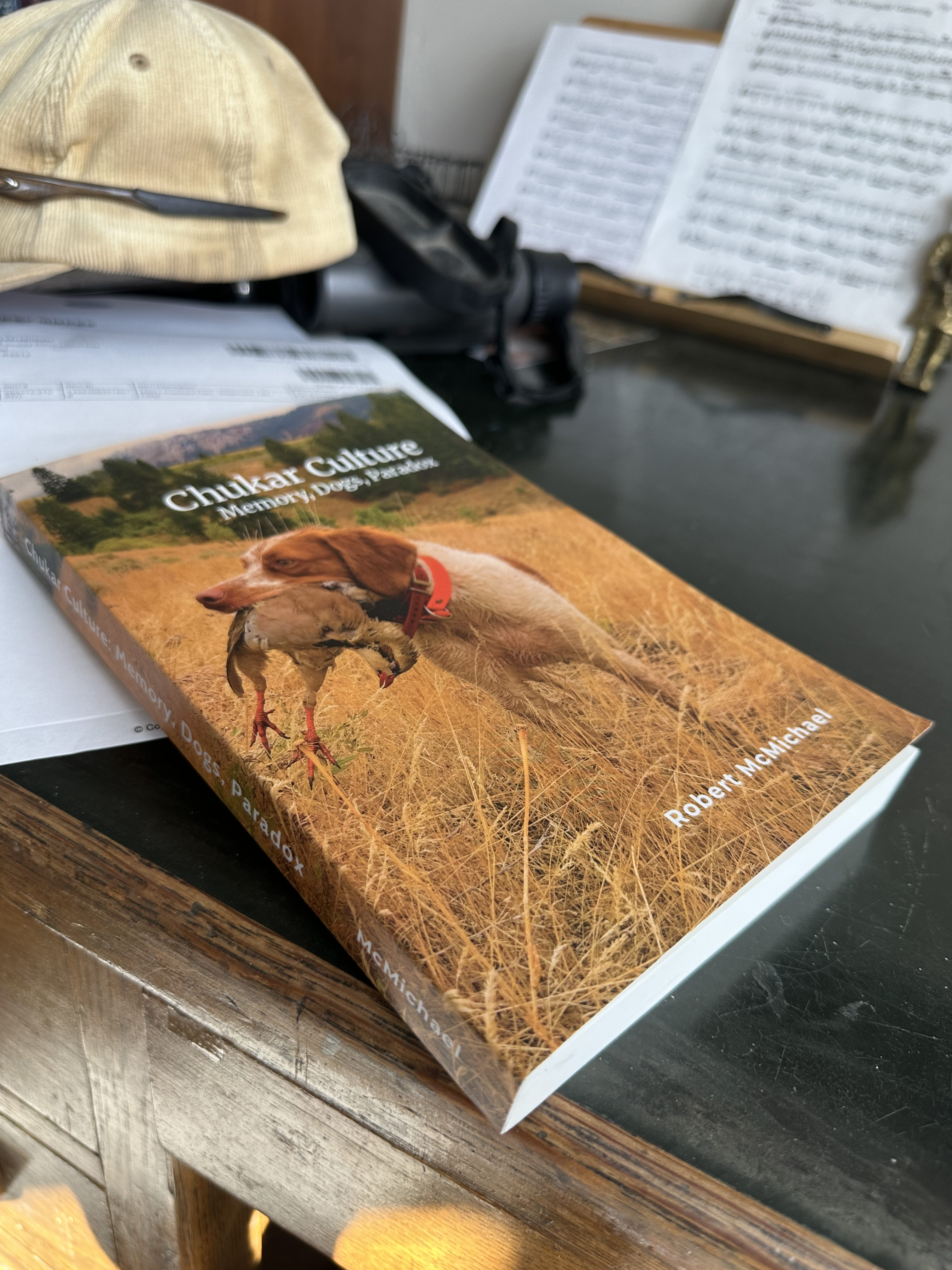
Click the photo to go to the ordering page
Well now I have a book about chukar hunting to offer. I published it myself (through my little press). It’s being handled, for now, by a print-on-demand business (Lulu.com), which prints and ships the book when someone orders it, although you still order it through Chukar Culturehere (or you can just click the photo above and it’ll take you to the ordering page). It might take a week or so for orders to arrive. If it takes longer, or there are problems, then I’ll change things up.
In the meantime, I’ll tell you I’m fairly happy with it. It’s largely composed of edited versions of many of the blog posts I’ve published here for the past fifteen years. There are some unpublished longer pieces, too, which I like as well as any of the already-seen things.
The one thing missing, of course, is what I’ve liked best about keeping this blog going, which is the dialog from readers. The book would be twice as long (and twice as good) if I’d been smart enough to figure out how to include comments. Next time?
This is for those with their heads in the sand, which is a pretty comfortable place to be usually. But when hunting season comes, and you need to get out if only for your dogs, you might not be able to go anywhere.
Regardless of your political persuasion, if you use public land in any way (running cattle on it, hiking, fishing, boating, camping, hunting, biking, ATV-ing, or just setting foot on it because you can), you’re about to lose that right, which Americans have had for generations. This is real.
“Republicans’ budget reconciliation bill requires the sale of up to 3.3 million acres of publicly owned land, an amendment authorizes the sale of 258 million acres more over the next five years. The amendment comes from the Senate Energy and Natural Resources Committee and was written by Senators Mike Lee (R-UT) and Steve Daines (R-MT).
It includes Bureau of Land Management and U.S. Forest Service lands in 11 states: Alaska, Arizona, California, Colorado, Idaho, New Mexico, Nevada, Oregon, Utah, Washington, and Wyoming. As Siler notes, while the measure does not currently include national monument lands, the Department of Justice under Trump is arguing that the president can revoke national monument protections. If it did so, that would make another 13.5 million acres available for purchase.
Siler notes the process for selling those lands calls for an enormous rush on sales, “all without hearings, debate, or public input opportunities.” (From HCR, June 17, 2025)
Here’s a map of the land in question (click on the image to bring up an interactive map; link is also below the image):
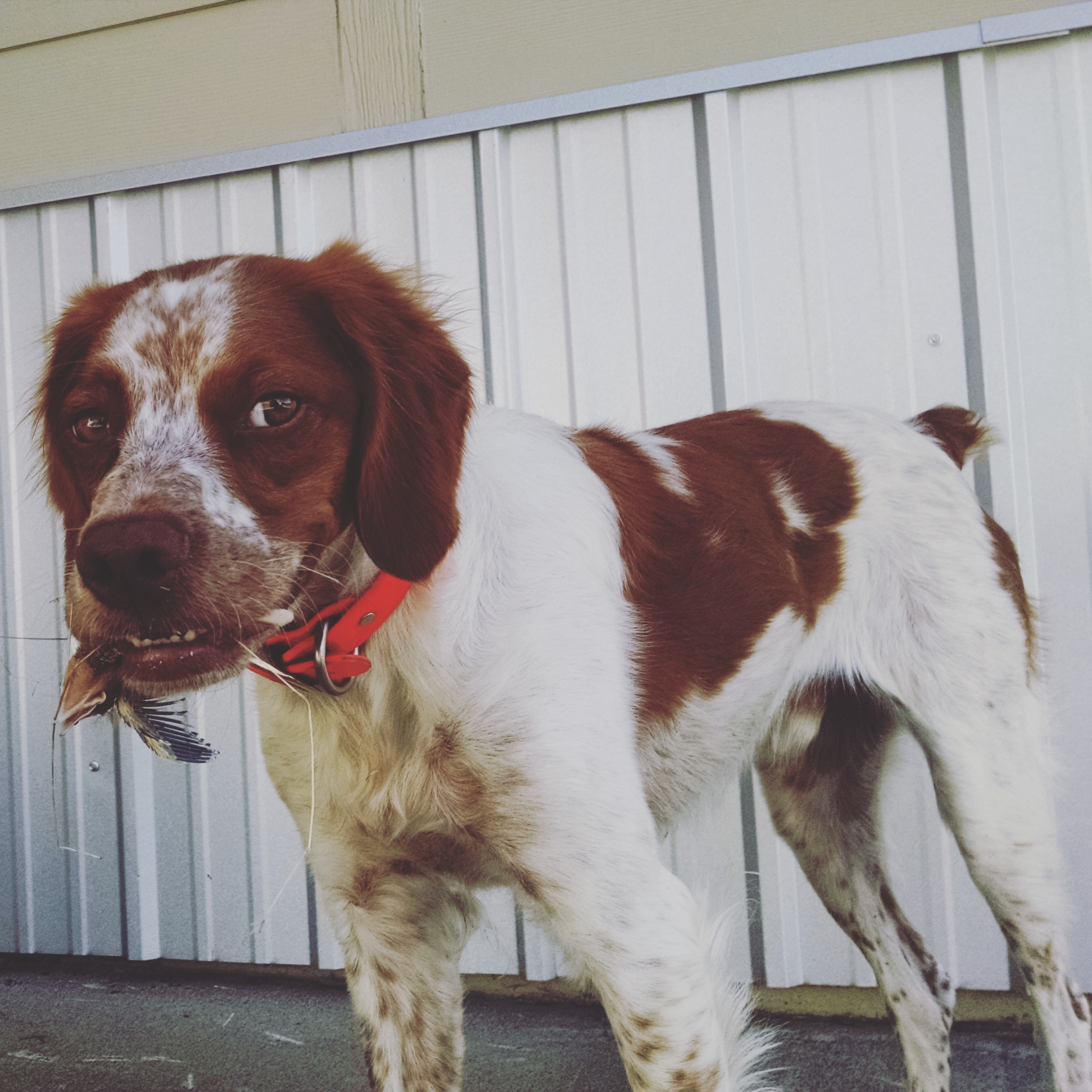
Peat was ten years old yesterday. Aside from upping his counter-surfing game, he hasn’t changed much from Day One. Instead, we have. It might explain why we have no friends, but I’ll take that trade any day (now). As some of you probably remember, it wasn’t like this at first. I still think of the four-inch hole I put in the bedroom door in Cambridge from throwing a bone at him in madness and hitting the door instead. I came very close to re-homing him. It goes without saying, but I’ll say it anyway because I love him so much: I’m glad I didn’t.
Happy birthday Crazy Eyes, Peat, my baby.
Here are a few photos and a video I made of him a while back.
Anyone who hunts birds knows heartbreak, if only because most of us have been through dogs. The best of them last a quarter of our lives at the most. So we watch them come and go. And then there are the birds. And the land. Innocence. You know what that’s like.
I’ve been trying to learn a new instrument, the Irish pipes. They’re called “uilleann” pipes (pronounced “ILL-in”), which is Irish for “elbow.” You use your elbow to pump a bellows which fills a bag under your other elbow with the air you need to resonate up to 7 reeds. Then there are 13 keys you play harmonies with using your wrist and thumb while your fingers play the melody on a 14-inch tube with a finicky reed. It’s far more complex and insane than the Scottish pipes, which I’ve played since 2007 and had previously thought was the most ridiculous instrument ever invented. This instrument puts Ireland’s association with drink in a new light.
Irish music, like the people coming from that small island, is known for its ferocity, its speed. It’s lesser known for what, in my humble opinion, are its much better but heartbreaking slow airs, tunes we Westered mortals might call ballads. Most of those come from old poems or stories, and nearly all of them have Irish titles: Táimse mo Chodladh (I Am Asleep), Port na bPúcaí (Song of the Faeries), Éamonn a’ Chnuic (Ned of the Hills), An Raibh Tú ar an gCarraig? (Were you at the Rock?)…
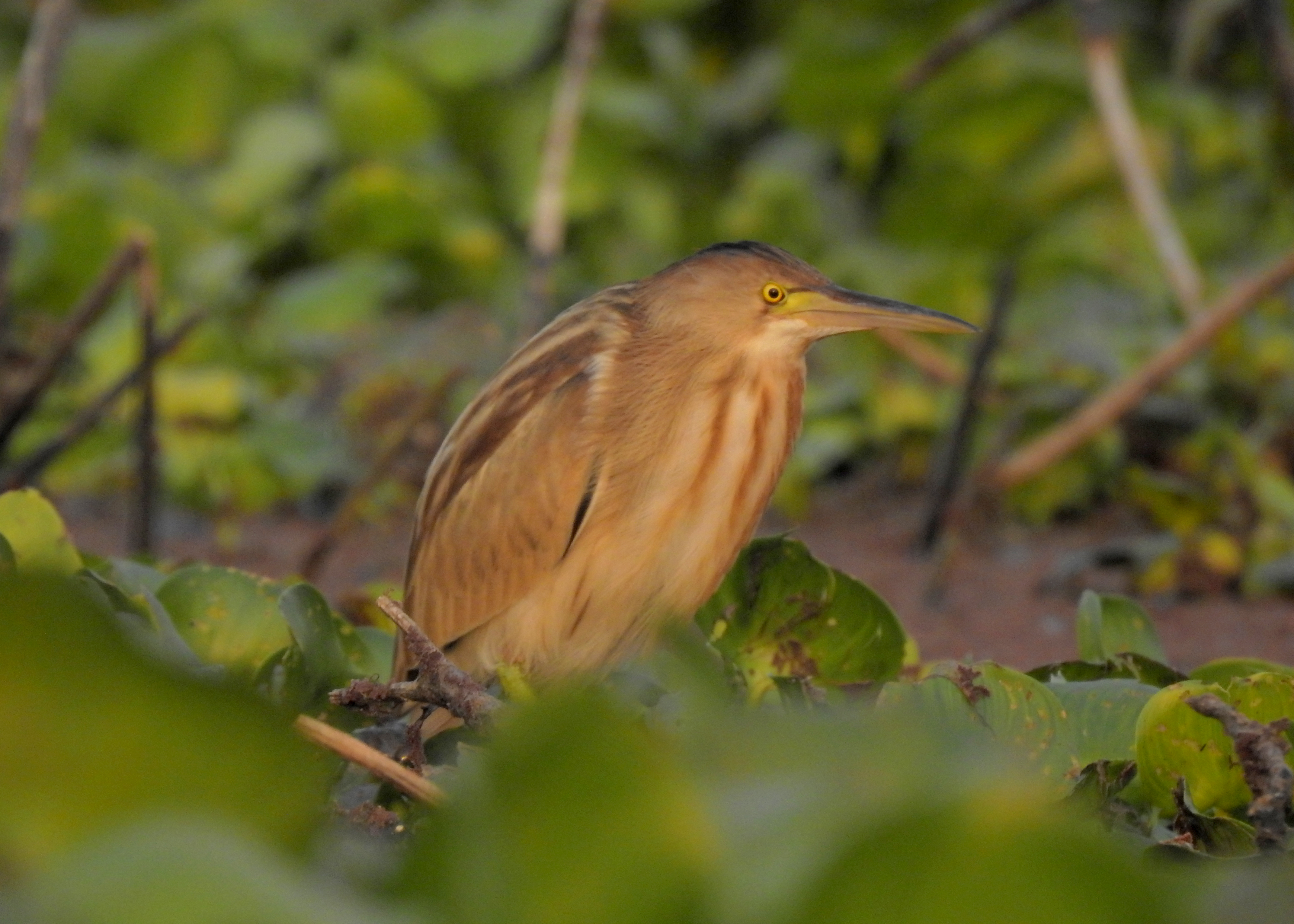
An Bonnán Buí (The Yellow Bittern) asserted itself for some reason today. Maybe it was the weather, or the news, how can you know? It’s been a common song over there for a long time, and without getting all musicological on you, I’ll just say it oozed its way into me somehow today. I’d heard a bunch of versions by my favorite players (thanks, YouTube). Everyone does it quite differently, and I’d decided I needed to learn it. I have the printed sheet music, but it didn’t even closely match any of the far better versions by Chris McMullen or Cillian Vallely or Liam O’Flynn. So I picked one (McMullen’s), and started memorizing it. There are two phrases, and it took about an hour to get the first under my fingers. And then I realized there was something more I didn’t know.
I looked up the tune, and learned it’s after a poem from the early 18th century by an Irish poet called Cathal Buí Mac Giolla Ghunna. He was an admitted drunk, and this — his reputed greatest work — was about his struggle with alcoholism. He’d happened, in winter, upon a yellow bittern that had died of thirst at the edge of a frozen lake. Like most good poems, this says a lot with very few words. Seamus Heaney’s translation of one of the later stanzas:
I am saddened, bittern, and brokenhearted To find you in scrags in the rushy tufts, And the big rats scampering down the rat paths To wake your carcass and have their fun. If you could have got word to me in time, bird, That you were in trouble and craved a sup, I’d have struck the fetters of those lough waters And wet your thrapple with the blow I struck.
In the end, the poet decides that — even though his wife desperately wishes he’d quit drinking — he can’t give up drink because he knows that when he dies he’ll get no more.
I was a music major in college, at first, anyway. One of the first things I learned and have never forgotten is that “programmatic” music is a hoax: any music purporting to paint a specific picture is not only bad but should be avoided and, if you’ve got the time, you should talk shit about it. The professor’s point, I recall, was that music was better than that. It was ineffable. It said more than a simple picture could. That’s why it was important to pick it apart, dissect it, musicologize it.
When Chris McMullen or Cillian Vallely start playing this tune I see the dead bittern and my heart breaks.
Today is my brother’s 60th birthday. He emailed me some of his thoughts about why he’s probably going to stop fishing for steelhead, something he’s loved and done for a long time. Much of what he said reminded me, in very different ways, of why I think more frequently these days about not chukar hunting anymore.
We’ve been hooked on the web cam showing Shadow and Jackie, the 11- and 13-year-old bald eagles trying to raise chicks in a nest high above a lake in the San Bernardino mountains. Two chicks hatched a few days before the third egg, and that littler chick survived long enough to develop a large fan club before it died. No fault of the parents. The weather there has been brutal. We could see them live anytime, and often marveled at one of the parents — only its white head and huge yellow beak visible in a snow-mounded nest — softly covering the babies during a howling snowstorm. We watched Shadow and Jackie bring dozens of dead fish and coots and ducks to the nest, tear them up, and gently feed them to the little fuzzballs. Leslie said today, “Look at all the animals that died to feed those chicks.”
It’s hard to stay away from the news, even though it’s obvious to anyone with a heart that there’s nothing good there. Very much the opposite.
I needed to learn about the yellow bittern, its story, today. For some reason. I didn’t expect it to, but it made me cry. That made me feel more human than I have in at least 50 days. So I guess that’s a good thing about heartbreak.